An Unfinished War: Why the Iran–Israel Conflict Is Far From Over
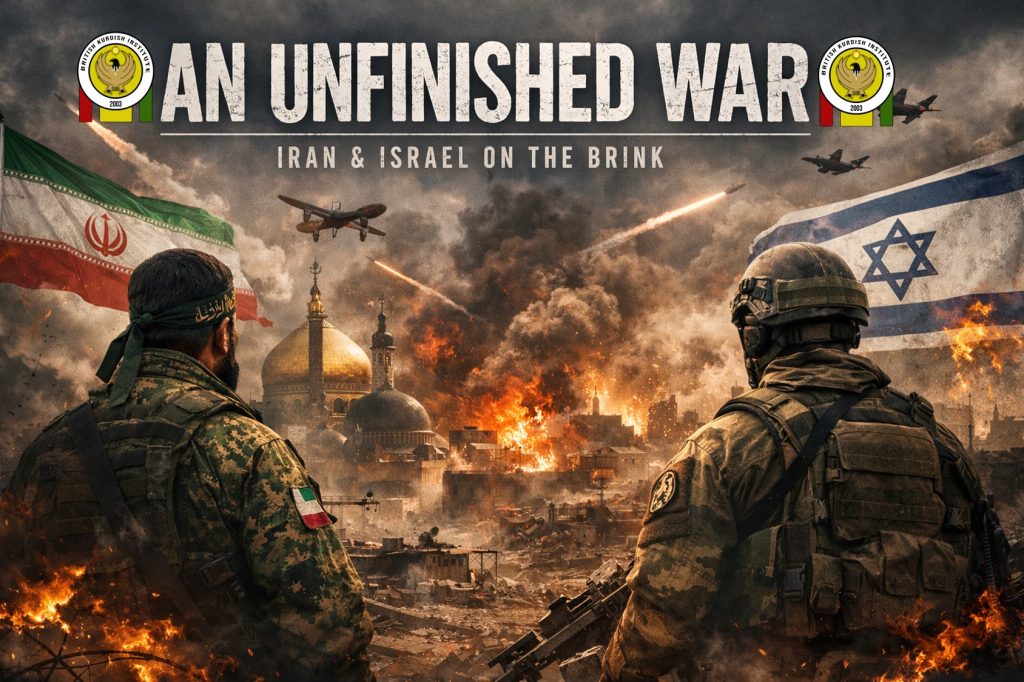
No war erupts in a vacuum—especially not between powerful states. Armed conflict is always the result of unresolved disputes, strategic ambitions, and objectives that diplomacy has failed to achieve. When dialogue collapses, war becomes the chosen instrument. Since the fall of Iran’s Shah and the rise of the Islamic Republic, Iran and Israel have existed […]
The War After the War: Why Remembering Heals
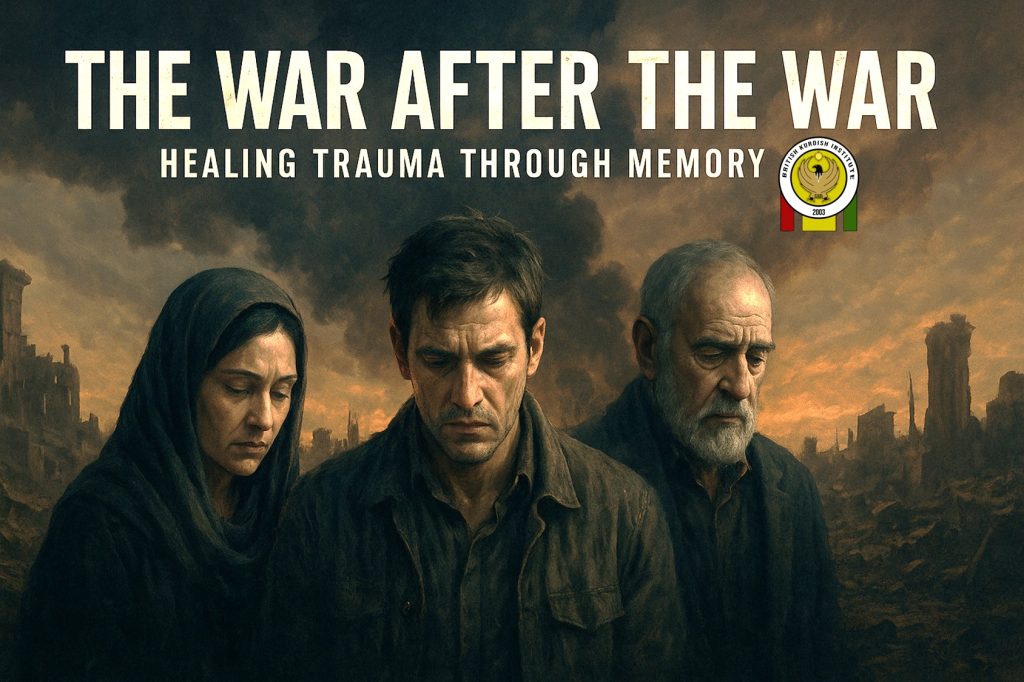
Trauma Does Not End When the War Ends A war does not finish with the last shot. Silence after conflict is never truly silent—it echoes in the minds and bodies of survivors. The real battle begins when the noise fades: in restless dreams, in trembling hands, in fragile families, and in the shadows of collective […]
A Decade of the Kurdistan Region Salary Crisis: What the Numbers Really Show
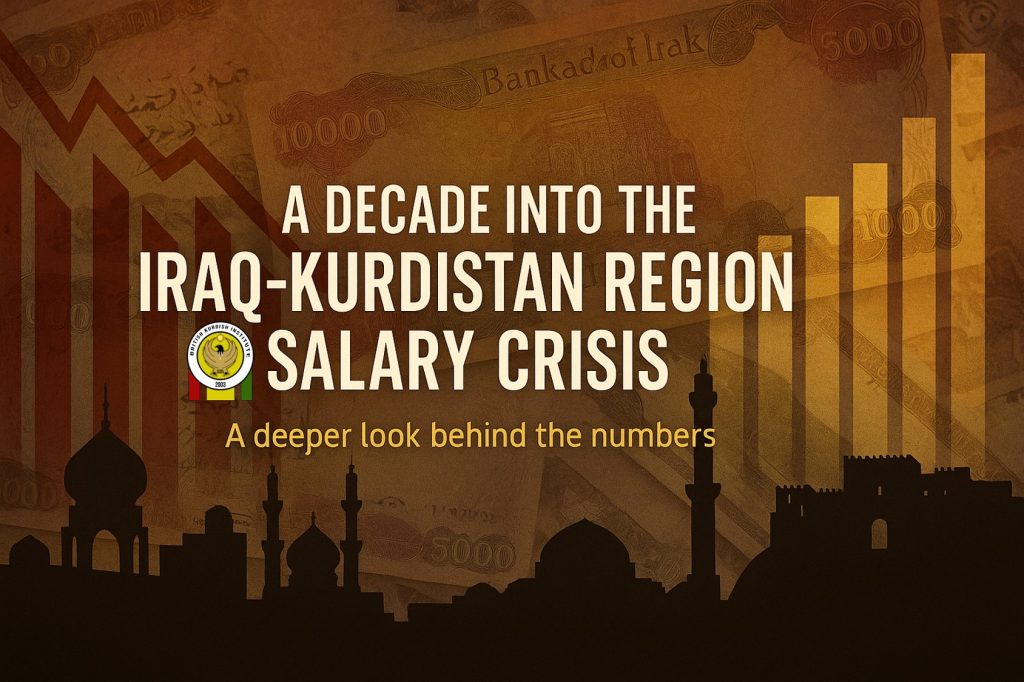
Key takeaways (30-second read) The gap between Baghdad’s hiring/pay practices and the Kurdistan Region’s realities has widened over 10 years. Federal Iraq added 1.18M+ civil servants in a decade; the Kurdistan Region’s public payroll shrunk by ~19,339. Durable solutions require transparent data and either internal fiscal redesign in the Kurdistan Region or time-bound, decision-maker-level negotiations […]
Nechirvan Barzani’s Multidirectional Diplomacy: Balancing Power in the Middle East
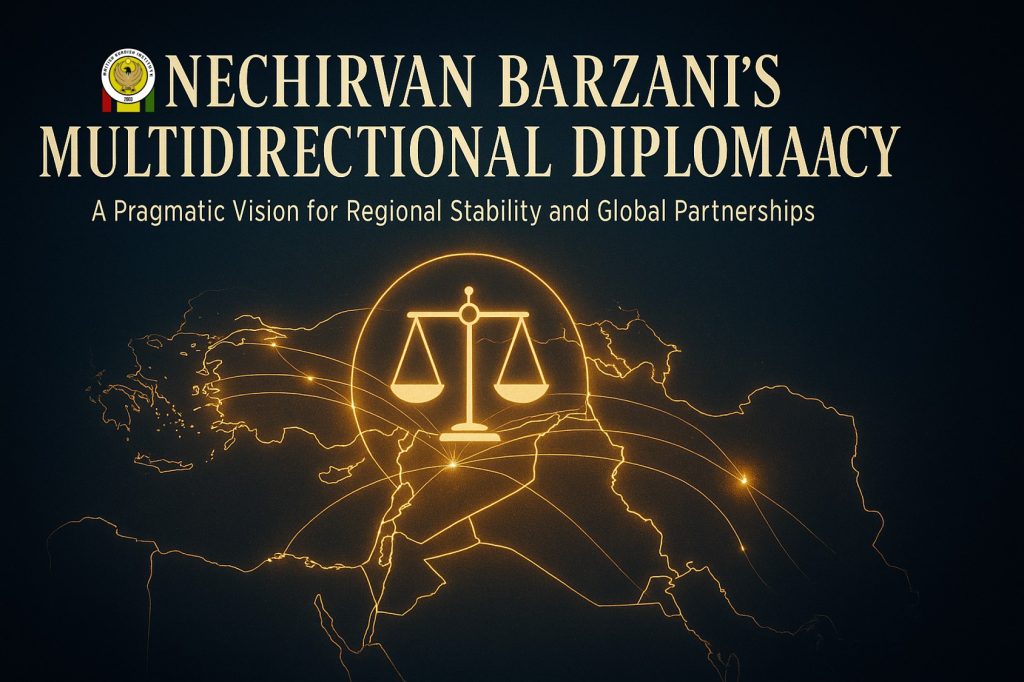
A Strategic Leader in Regional Politics President Nechirvan Barzani of the Kurdistan Region has become a central figure in Middle Eastern diplomacy. His multidirectional strategy balances regional interests, international partnerships, and internal unity. Guided by pragmatism and a commitment to stability, Barzani positions the Kurdistan Region as both a mediator and a reliable partner in […]