
The November Attack on Khor Mor Gas Field: An Unprecedented Crisis
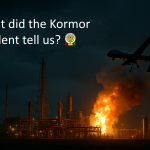
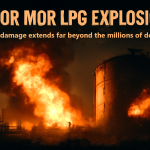
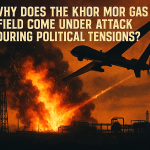
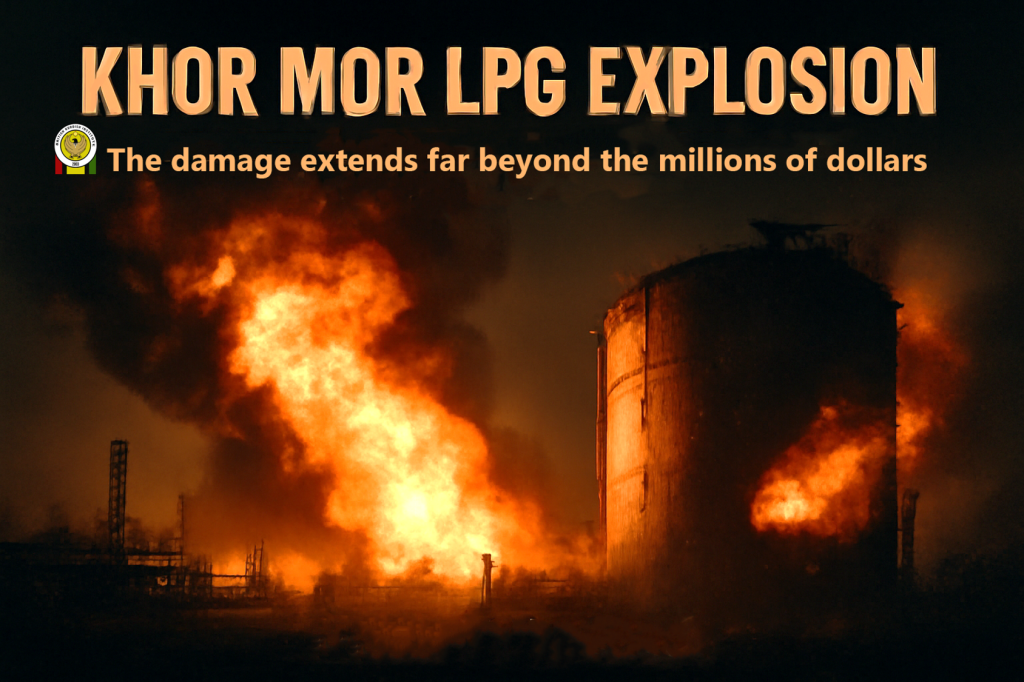
On the night of November 26, an attack on the Khor Mor gas field, situated in the Kurdistan Region’s eastern Sulaimani province, targeted its newly built 65,000-barrel liquefied petroleum gas (LPG) storage tank. The assault halted the natural gas flow, which supplies almost 80% of the Kurdistan Region’s electricity and delivers 1,200 megawatts to regions in federal Iraq.
This devastating attack is not just about the destruction of infrastructure or the millions of dollars in damages; it highlights the broader, long-term repercussions on the energy security and investment climate in the Kurdistan Region and beyond.
Short-Term Losses and Immediate Impact
In the short term, the attack caused significant damages. The destruction of the LPG storage facility resulted in the immediate halt of daily production: 520 million cubic feet of natural gas, 1,500 tons of LPG, and over 15,000 barrels of condensate were lost. The financial losses were compounded by the decline in the stock prices of Dana Gas, the company overseeing the facility. The halt in production alone led to daily losses exceeding $2.2 million from natural gas, $1 million from condensate, and approximately $670,000 from LPG.
Additionally, the reconstruction costs for the damaged LPG facility and the time required to bring the plant back online further escalate the overall financial toll.
Long-Term Effects: Investor Confidence and Regional Stability
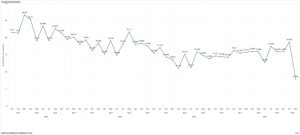
The long-term consequences are even more severe. Attacks like these significantly impact the investment climate in the region. Repeated strikes, especially ones resulting in human casualties and substantial material losses, lead to heightened uncertainties among foreign investors. Dana Gas’s stock price has been on a downward spiral since the attacks started in 2022. After a drone strike in July 2022, its shares plummeted from AED 1.80 to AED 1.00, with the latest drop bringing the price to around AED 0.77 in November 2024.
This volatility makes it harder for companies to secure financing for projects, further discouraging new investments and stalling potential growth in the region’s oil and gas sector.
Exploring Energy Security Solutions: Strategic Reservoirs and Defense Systems
In the wake of the attack, discussions have centered around two possible solutions: the establishment of a strategic gas reservoir and the installation of anti-missile and anti-drone defense systems.
However, the feasibility of creating a strategic gas reservoir is questionable. The Khor Mor gas field, with over $4 billion in investments, already contains the largest strategic reservoir in the region. The volume of gas produced daily is immense, and proposals to store it underground in another field are not practical due to the vast surface area required.
Another possible solution is fortifying the region’s energy infrastructure with advanced defense systems. Given the escalating threat posed by armed militias, which operate outside Iraq’s legal framework, the security of oil and gas facilities must be prioritized. The protection of critical energy infrastructure is not only a matter of operational continuity but also a national security concern.
The Role of Iraq’s Government in Ensuring Energy Security
The Iraqi government must take responsibility for safeguarding the lives of employees and ensuring the safety of vital energy infrastructure. Dana Gas, along with other operators, now seeks written guarantees from the government to protect their investments and ensure that production can continue without disruption.
In a region heavily dependent on oil and gas for electricity and economic stability, the government’s role in maintaining a secure and stable operating environment cannot be overstated.
Conclusion: Can the Attacks Be Stopped?
Despite efforts to foster shared economic interests, such as the contracts awarded to Crescent Petroleum and HKN Energy for the development of oil and gas fields in Kurdish areas, attacks on energy infrastructure continue unabated. The question remains: will Iraq and the Kurdistan Region be able to secure their energy future and attract sustainable investments, or will the region continue to face volatility and insecurity?